
Tags
family, health, life, mental-health, motherhood, parenting, pregnancy, wellbeing
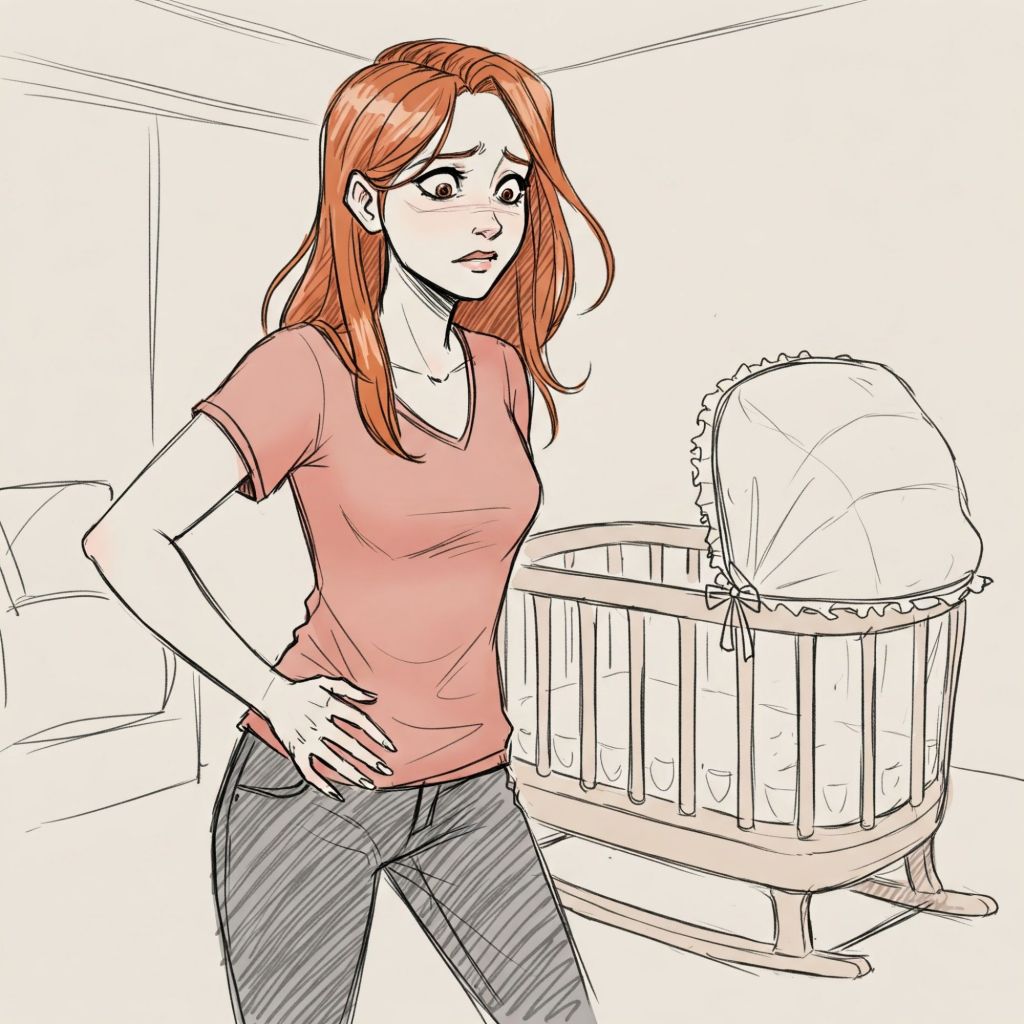
NOTE: This is part two in a blog series on my 15-year journey to better health. Want to start from the beginning? Click here to start with part one.
I thought childbirth would be the hardest part. I was wrong.
Your struggles develop your strengths. When you go through hardships and decide not to surrender, that is true strength.
–Arnold Schwarzenegger
First, Pain
Things started going awry after the birth of my first child–my daughter. I had a normal birth–vaginal with an epidural. It lasted only eight hours from start to finish, and both my baby and I were healthy. But in the months after she was born, I continued to have bad pelvic pain, most noticeable during intercourse, but always mildly detectable. I kept assuming it was just part of the recovery process, and with the baby needing so much of my attention, I just continued to push through.
Next, Anxiety
In addition to the pelvic pain, my anxiety was growing. I had always had some level of anxiety, so I thought it was normal to have a bit more with a new baby, but in hindsight, it increased significantly after the birth. When on maternity leave, I found myself struggling to find the nerve to take my new baby outside, even though she was born in May and I had the whole summer to enjoy.
I had a friend who was on maternity leave at the same time, and she was always asking for us to meet up with our little ones to take walks around the lakes or go to a mommy and me class. I would almost start to hyperventilate just thinking about doing these things — “what if something goes wrong?” I’d ask. “What if I don’t have what I needed to care for the baby?”
Eventually my friend was able to get me out of the house, and for the most part it went okay, but forever etched in my mind was the one time we couldn’t console my daughter. Standing on the sidewalk miles from my friend’s house, we took turns cradling and rocking my screaming daughter. I tried breast feeding. My friend tried singing upbeat songs at high volume. Nothing was working and I melted down inside, thinking: this is why I shouldn’t leave my house. I didn’t go out much after that incident.
When my daughter was a little over a year old, I remember sitting at the dinner table watching her in her highchair, trying to eat a bowl of food. Every parent knows that when you give a baby a bowl or cup with something in it, they spend the first several months flipping that bowl or cup off the highchair to see what will happen. Even though I knew this, and even though I knew the worst thing that could result was some sweet potatoes on the floor, I found myself sitting at the table, crippled with anxiety, my eyes locked on her with that bowl.
Every time her tiny fingers wrapped around the bowl, my chest tightened. My heart pounded. “No, no!! Just use the spoon!” I’d blurt out, my voice edged with panic. I struggle to explain how dire it felt — the fear of that bowl getting flung across my kitchen completely consumed me like it was a situation of life and death.
The anxiety was always on, and it was making me a parent I didn’t want to be…
And it wasn’t just the bowl. As she began to crawl and walk, everything would set off this anxiety–like Ally McBeal, I envisioned clear and horrifying scenes of the furniture tipping over on her or her falling and smacking her head on sharp corners. The anxiety was always on, and it was making me a parent I didn’t want to be, constantly swooping in with a tormented facial expression, pulling her away from things versus letting her explore, even yelling at her at times, over taken with fear.
Then, Infertility
As I battled the growing weight of anxiety, another challenge emerged–one I never saw coming. When our daughter turned two, we decided to try for a second child. I had originally wanted to have three kids, and wanted to have them 18 months apart or so, but after my struggles with our first, we had decided two was enough, and pushed off plans for the second for a bit longer. Not wanting them more than three years apart, we decided it was time. And after having no difficulty getting pregnant the first time, I expected the same with our second. Unfortunately, it wasn’t.
We tried for months after removing birth control, and nothing. Sometimes it’s normal for the removal of an IUD to take a few months to reset your body, so I tried to not get worked up about it and just kept trying. After five or six months with no success, I started to worry. I began tracking my cycle more closely, trying to be systematic with our attempts–which, let me tell you, is not great for a relationship. Still, nothing worked.
The infertility went on for a full year. By this time my daughter was three years old. My pelvic pain kept increasing. My anxiety was unbearable. And I was struggling with infertility and all the mental stress that came with it. At the time I saw each struggle as a separate battle. I had no idea they were all symptoms of connected, deeper issues, a puzzle I wouldn’t fully put together for years. If you had asked me about my heath, I probably would have said I was fine. I considered these issues fairly normal, or normal for a new mother at least.
Stay tuned for part 3 of my journey, where I will dive into my early encounters and failures with conventional medicine.
 Chasing Wellbeing